


Professional
Programs.
Short courses, workshops and certificate programs designed for working professionals, lecturers, and lifelong learners. Each program is led by industry experts or senior UTE faculty.
18 programs available.

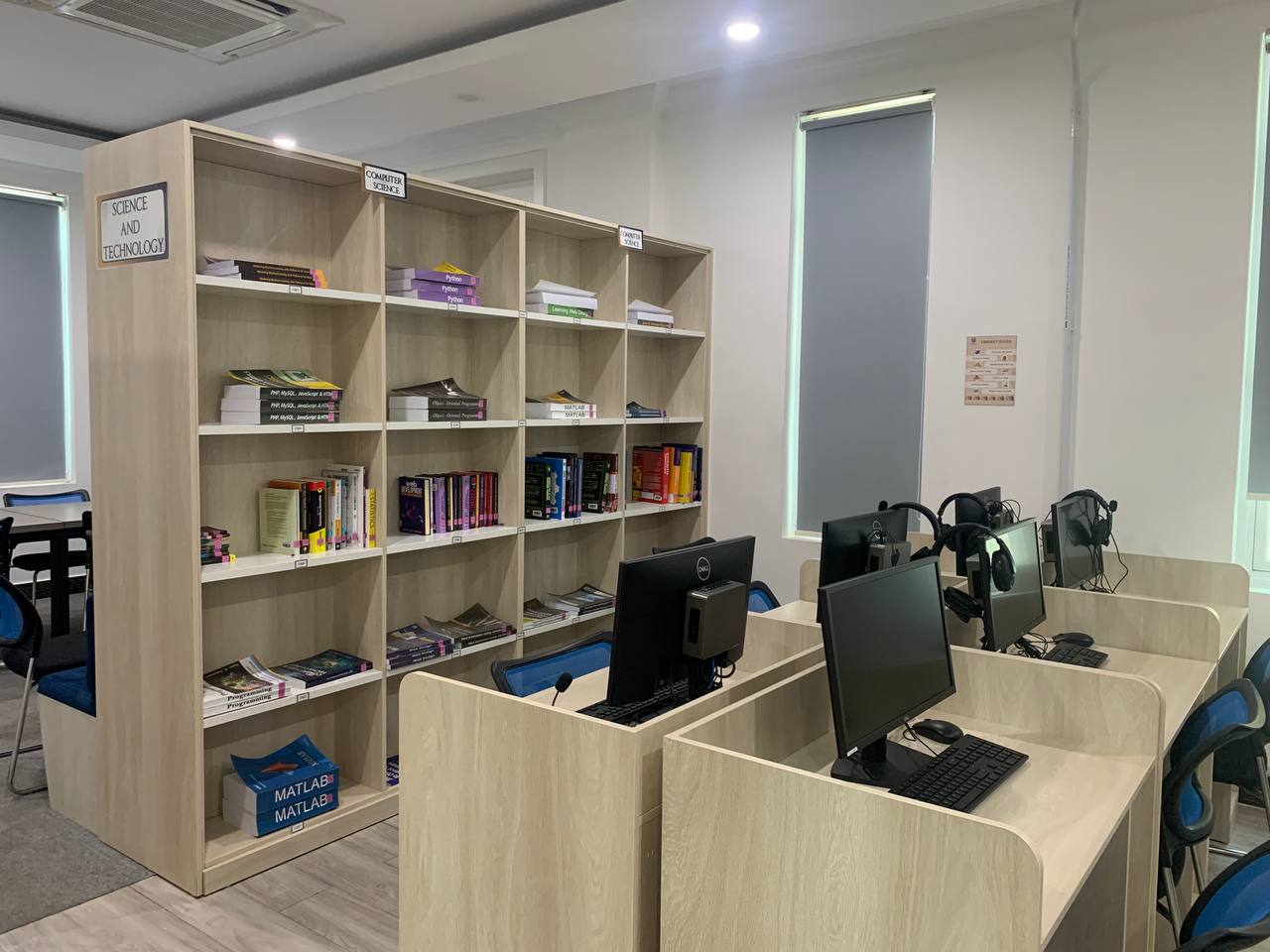
Data Visualization and Web Development with AI (Google App Script)
The Data Visualization and Web Development with AI (Google Apps Script) course teaches learners how to build interactive web applications, dashboards, and automation tools using Google Apps Script enhanced with AI capabilities. Participants will learn how to connect Google services, visualize data, and leverage AI to automate workflows and enhance user experiences. This course is ideal for professionals and students looking to combine data visualization, web development, and AI-powered automation.
Data Engineering from Beginner to Advanced
The Data Engineering from Beginner to Advanced course is a comprehensive program designed to equip learners with the skills required to design, build, and manage modern data engineering systems. Participants will learn how to collect, store, process, and analyze large-scale data using industry-standard tools and technologies. The course covers data warehouses, data lakes, distributed systems, real-time data streaming, machine learning integration, and business intelligence reporting.
Data Science professional
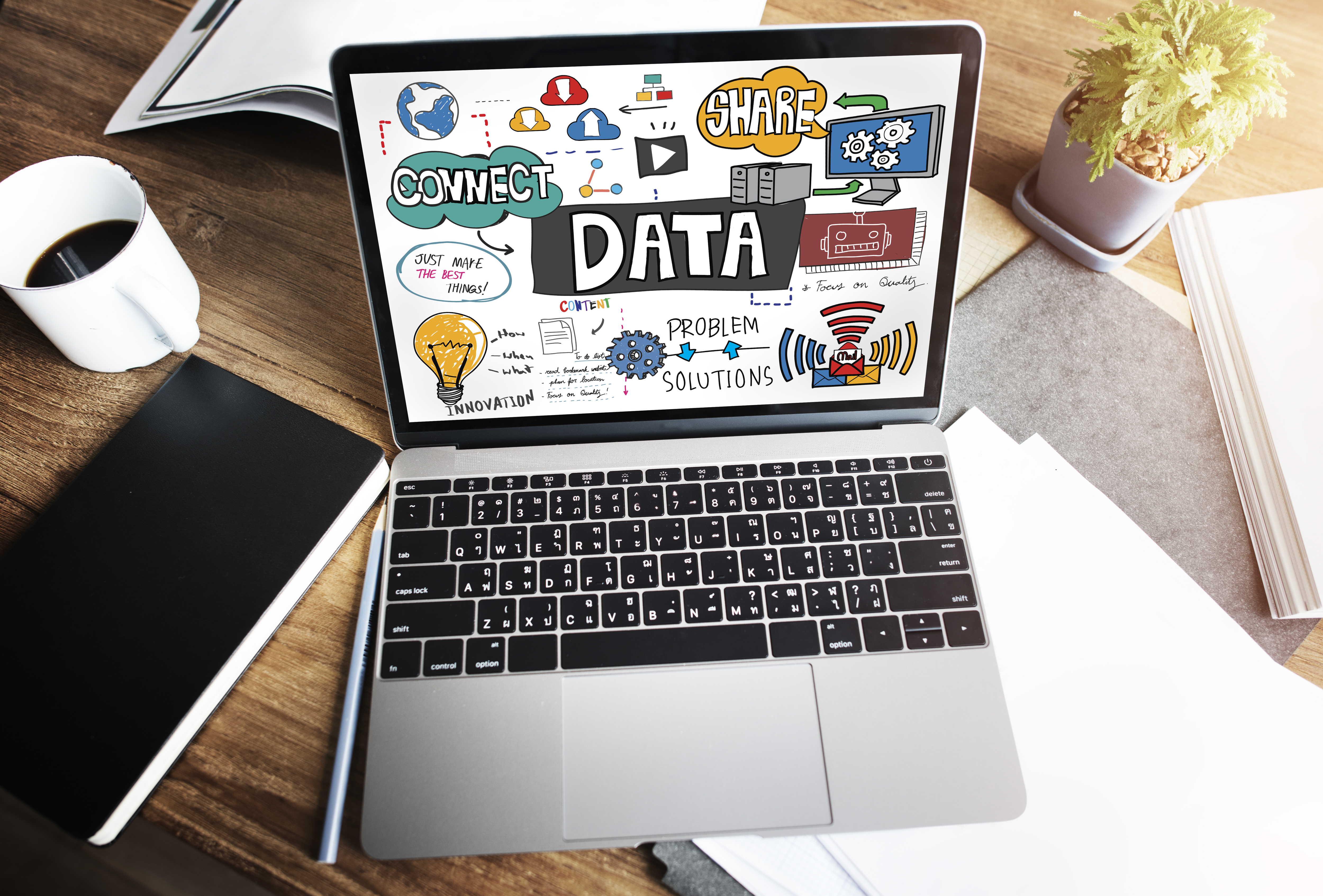
The Data Science Professional course is a comprehensive, industry-oriented program designed to prepare learners for professional roles in data science. Participants will gain expertise in data analysis, statistics, machine learning, and deep learning using industry-standard tools such as Python, Excel, R, and multiple database systems. This course emphasizes hands-on projects, real-world datasets, and end-to-end data science workflows.

Cyber Security Fundamentals
The Cyber Security Fundamentals course introduces learners to essential cybersecurity concepts, threats, and protection techniques. Participants will learn how cyber-attacks occur, how systems and networks are protected, and how to apply basic security best practices. This course is suitable for beginners and professionals who want to understand cybersecurity principles and improve organizational security awareness.
Introduction to Computer Networking
The Introduction to Computer Networking (with Cisco Packet Tracer) course provides learners with a strong foundation in computer networking concepts and practices. Participants will learn how data is transmitted across networks, understand network devices and protocols, and design basic networks using Cisco Packet Tracer. The course emphasizes both theoretical understanding and practical network simulation skills, making it ideal for beginners in networking and IT infrastructure.
Basic Programming with Python
The Basic Programming with Python course introduces learners to fundamental programming concepts using Python. Participants will develop logical thinking, problem-solving skills, and the ability to write simple programs. This course is designed for beginners with no prior programming experience and serves as a foundation for advanced courses in data science, AI, and software development.
Big Data Analytics
The Big Data Analytics with PySpark course introduces learners to big data processing and analytics using Apache Spark with Python (PySpark). Participants will learn how to handle large-scale datasets, perform distributed data processing, apply machine learning techniques, and integrate multiple data storage systems. The course also covers data visualization and reporting using Power BI, providing end-to-end big data analytics skills.
Data Analytics and Visualization with Tableau
The Data Analytics and Visualization with Tableau (Tableau Public) course is designed to help learners develop strong data visualization and analytical skills using Tableau. Participants will learn how to connect to data sources, analyze datasets, and create interactive dashboards and visual stories. This course focuses on best practices in data visualization and storytelling, making it ideal for beginners and professionals who want to present data insights effectively.
DBMS with SQL Server
The Database Management Systems (DBMS) with SQL Server course focuses on database design, development, and administration using Microsoft SQL Server. Participants will gain hands-on experience with SQL Server tools, write advanced SQL queries, and manage enterprise-level databases. This course is ideal for students and professionals aiming to work with enterprise database systems and business applications.
DBMS with with MySQL and PostgreSQL
The Database Management Systems (DBMS) with MySQL and PostgreSQL course provides learners with a solid foundation in relational database concepts and practical database management skills. Participants will learn how to design databases, write efficient SQL queries, manage data, and perform basic administration tasks using MySQL and PostgreSQL. The course is suitable for beginners and aspiring data professionals who work with data-driven applications.
Internet of Things with NodeMCU
The Internet of Things (IoT) with NodeMCU course introduces learners to the fundamentals of IoT systems using the NodeMCU (ESP8266/ESP32) microcontroller. Participants will learn how to connect sensors and devices to the internet, collect and transmit data, and build simple IoT applications. The course emphasizes hands-on experiments, real-world IoT use cases, and basic networking concepts, making it ideal for beginners in IoT and embedded systems.
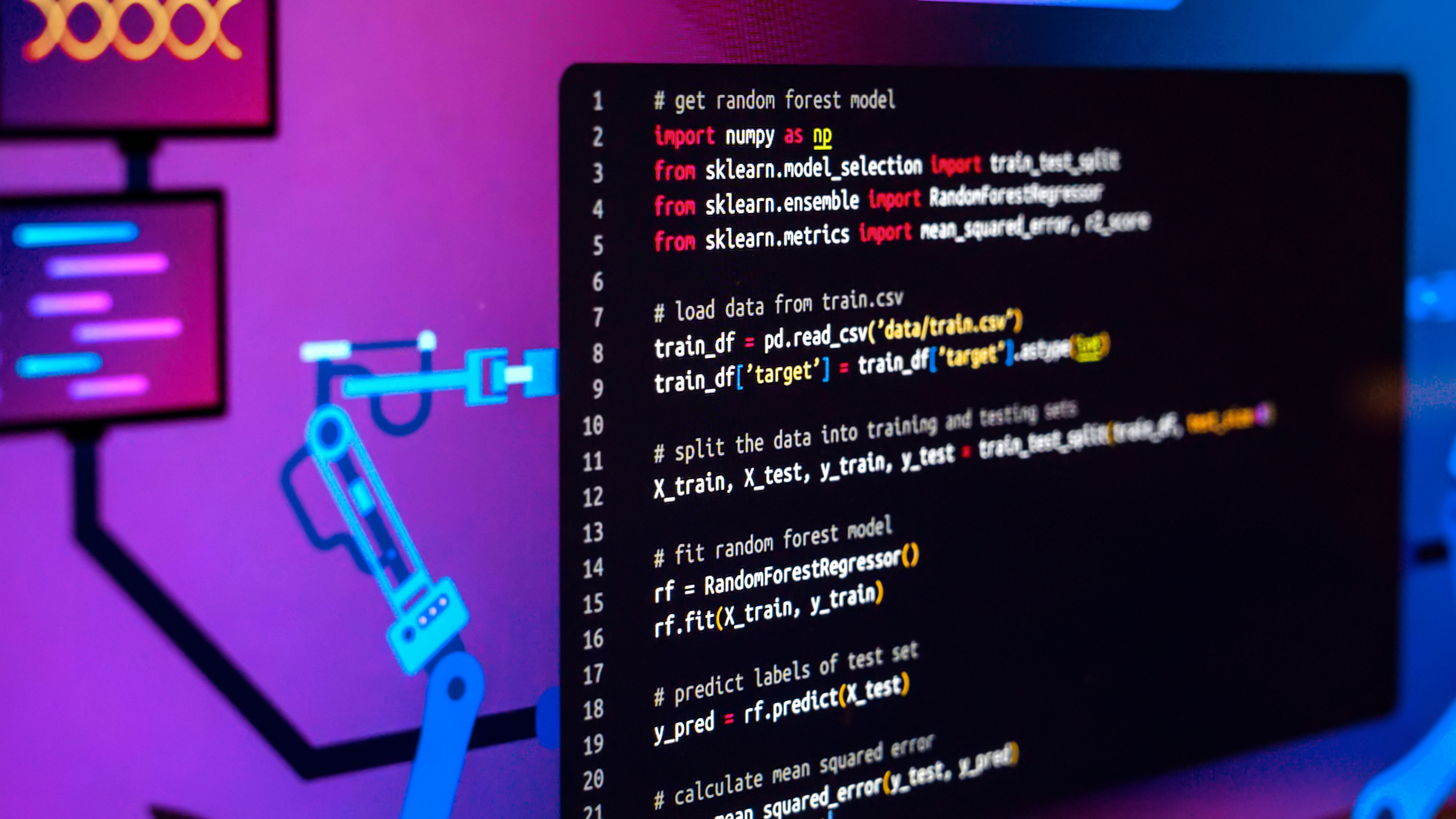
Basic Electronic with Python
The Basic Electronics with Python (Raspberry Pi Pico) course introduces learners to fundamental electronics concepts combined with hands-on programming using Python. Participants will explore how electronic components work and how to control them using the Raspberry Pi Pico microcontroller. This course is designed for beginners with little or no background in electronics or programming and emphasizes practical learning through real-world experiments and projects.
AI Tools and Prompt Engineering for Working Professional
The AI Tools and Prompt Engineering for Working Professionals course is designed to help professionals effectively leverage modern AI tools to improve productivity, decision-making, and problem-solving in the workplace. Participants will learn how to interact with AI systems through well-structured prompts, automate routine tasks, generate content, analyze information, and apply AI responsibly across different professional domains. This course focuses on practical, real-world applications rather than technical AI development, making it ideal for non-programmers and professionals from various industries.
Introduction to AI and Machine Learning with Python
The Introduction to AI and Machine Learning with Python course provides learners with a foundational understanding of artificial intelligence and machine learning concepts using Python. Participants will explore how machines learn from data, understand common algorithms, and build simple AI-driven models. The course emphasizes practical implementation using Python libraries, real-world examples, and hands-on exercises, making it suitable for beginners who want to enter the field of AI and machine learning.
Statistical Analysis with R Programming
The Statistical Analysis with R Programming course is designed to equip learners with strong statistical analysis skills using the R programming language. Participants will learn how to perform data analysis, apply statistical methods, and interpret results effectively. The course combines statistical theory with hands-on R programming, making it ideal for students, researchers, and professionals who work with data-driven decision-making.
Python for Data Science Fundamentals
The Python for Data Science Fundamentals course is designed to introduce participants to the essential concepts and techniques of data science using Python. Through a combination of theory and hands-on projects, learners will acquire the skills needed to manipulate data, perform statistical analysis, visualize data, and build predictive models. This course is perfect for beginners and those looking to enter the field of data science with a strong foundation in Python programming.

Certified College Instructor
Many professionals have deep knowledge in their subject matter expertise, but they struggle to effectively deliver such knowledge or skills to others when they enter the classroom, as teaching in a college is much different than working at a desk on a computer program or with a team member. Most of the time, lessons may lack clarity, engagement, and impact on student learning. The Certified College Instructor program is designed to bridge this gap by equipping participants with the essential skills to design, deliver, and evaluate effective college-level instruction. Through a structured, hands-on learning experience, participants will move beyond traditional lecture-based teaching and develop the ability to create student-centered, engaging, and outcome-driven learning environments. The program emphasizes practical application, allowing participants to practice teaching, receive feedback, and continuously improve their instructional approach.

Power BI Analytics
Course Description Data Analytics and Visualization with Power BI is designed for individuals seeking to enhance their skills in data analysis and reporting. Participants will learn the fundamentals of Power BI, including how to create insightful reports and interactive dashboards, perform data modeling, utilize DAX for calculations, and clean and transform data for analysis. Whether you are a beginner or looking to refine your skills, this course provides practical knowledge and hands-on experience to equip you for roles in data analytics.
No programs match “”.
Try a different keyword, or browse the full catalogue.
Looking for a custom program?
We design bespoke training for organisations, government agencies, and faculty teams. Tell us what you need and our team will scope it with you.