

All programmes
Networking & Systems
Lecturer / Staff
Student
Public
Internet of Things with NodeMCU
University of Technology and Entrepreneurship, Phnom Penh
0 / 30 enrolled
About this programme
Course outline.
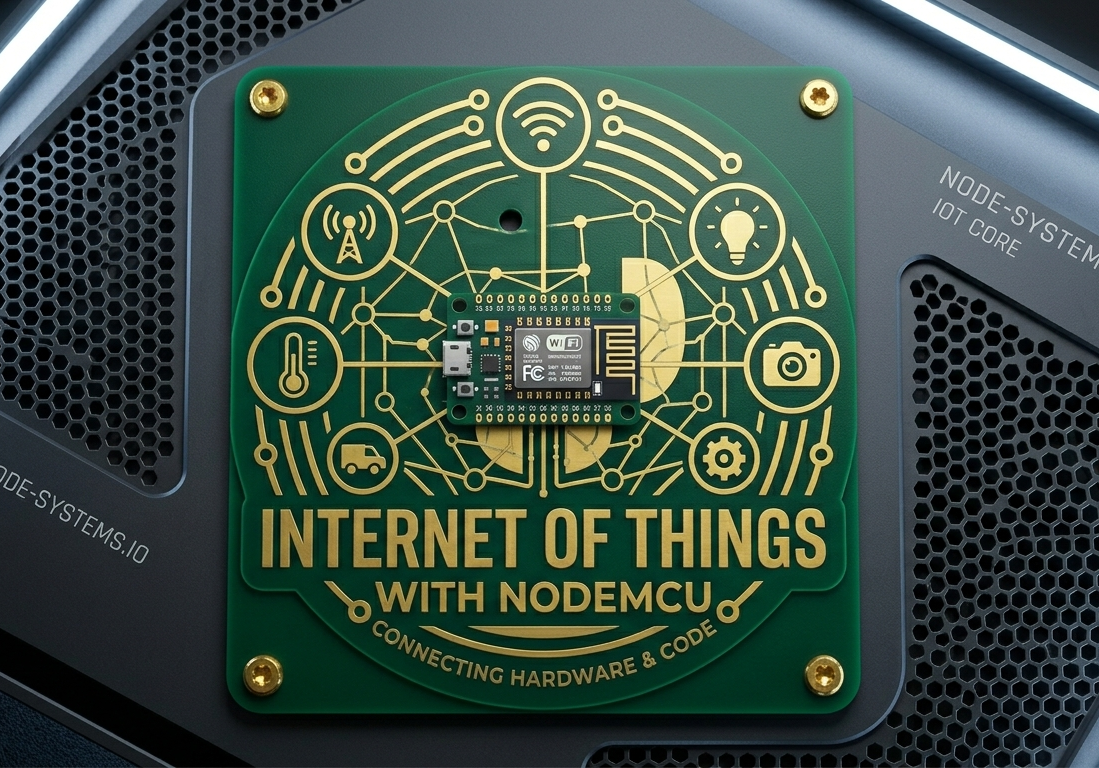
The Internet of Things (IoT) with NodeMCU course introduces learners to the fundamentals of IoT systems using the NodeMCU (ESP8266/ESP32) microcontroller. Participants will learn how to connect sensors and devices to the internet, collect and transmit data, and build simple IoT applications. The course emphasizes hands-on experiments, real-world IoT use cases, and basic networking concepts, making it ideal for beginners in IoT and embedded systems.
What you'll get
Programme highlights.
Industry-led teaching
Live materials from practitioners working in the field today.
Hands-on exercises
You'll apply what you learn through structured workshops and case studies.
Mentor access
Personal contact with the instructor for questions and feedback.
UTE Certificate
A signed certificate of completion you can add to your CV.
Course outline
What we'll cover.
-
01
Introduction to Internet of Things
- • Definition and Concepts of IoT
- • IoT Architecture and Components
- • Real-World IoT Applications
-
02
Introduction to NodeMCU
- • Overview of NodeMCU (ESP8266/ESP32)
- • Hardware Architecture and Pin Configuration
- • Setting Up the Development Environment
-
03
Programming NodeMCU
- • Introduction to Arduino IDE for NodeMCU
- • Hardware Architecture and Pin Configuration
- • Setting Up the Development Environment
-
04
Sensors and Actuators
- • Interfacing Sensors (Temperature
- Humidity
- ..)
- • Working with LEDs
- Relays
- and Motors
- • Reading and Processing Sensor Data
-
05
IoT Data Monitoring and Control
- • Real-Time Data Visualization
- • Remote Device Control
- • Basic IoT Dashboards
-
06
IoT Mini Projects
- • Smart Home Applications
- • Environmental Monitoring System
- • Final IoT Project with NodeMCU