

All programmes
Networking & Systems
Lecturer / Staff
Student
Public
Basic Electronic with Python
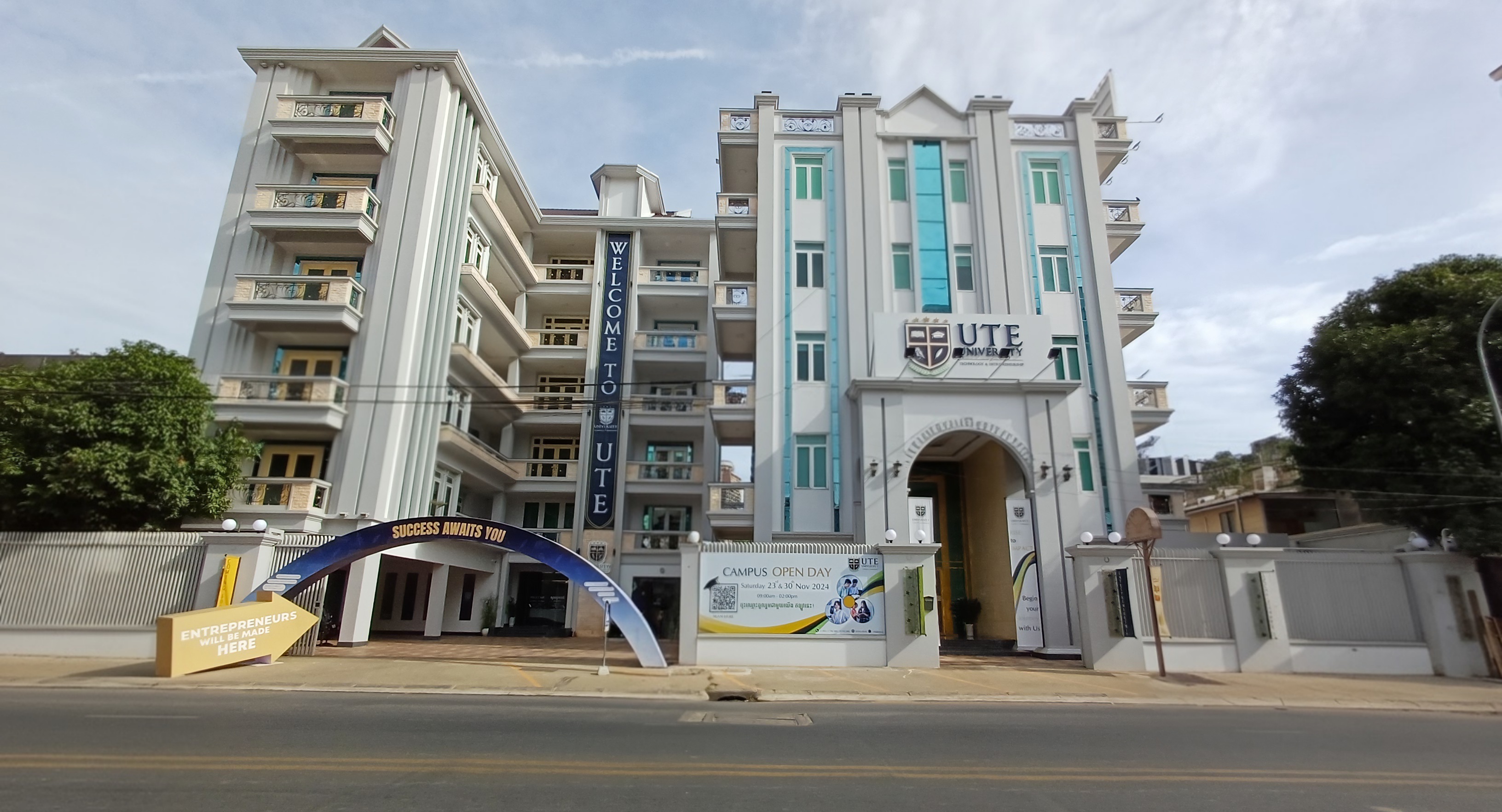
University of Technology and Entrepreneurship, Phnom Penh
0 / 30 enrolled
About this programme
Course outline.
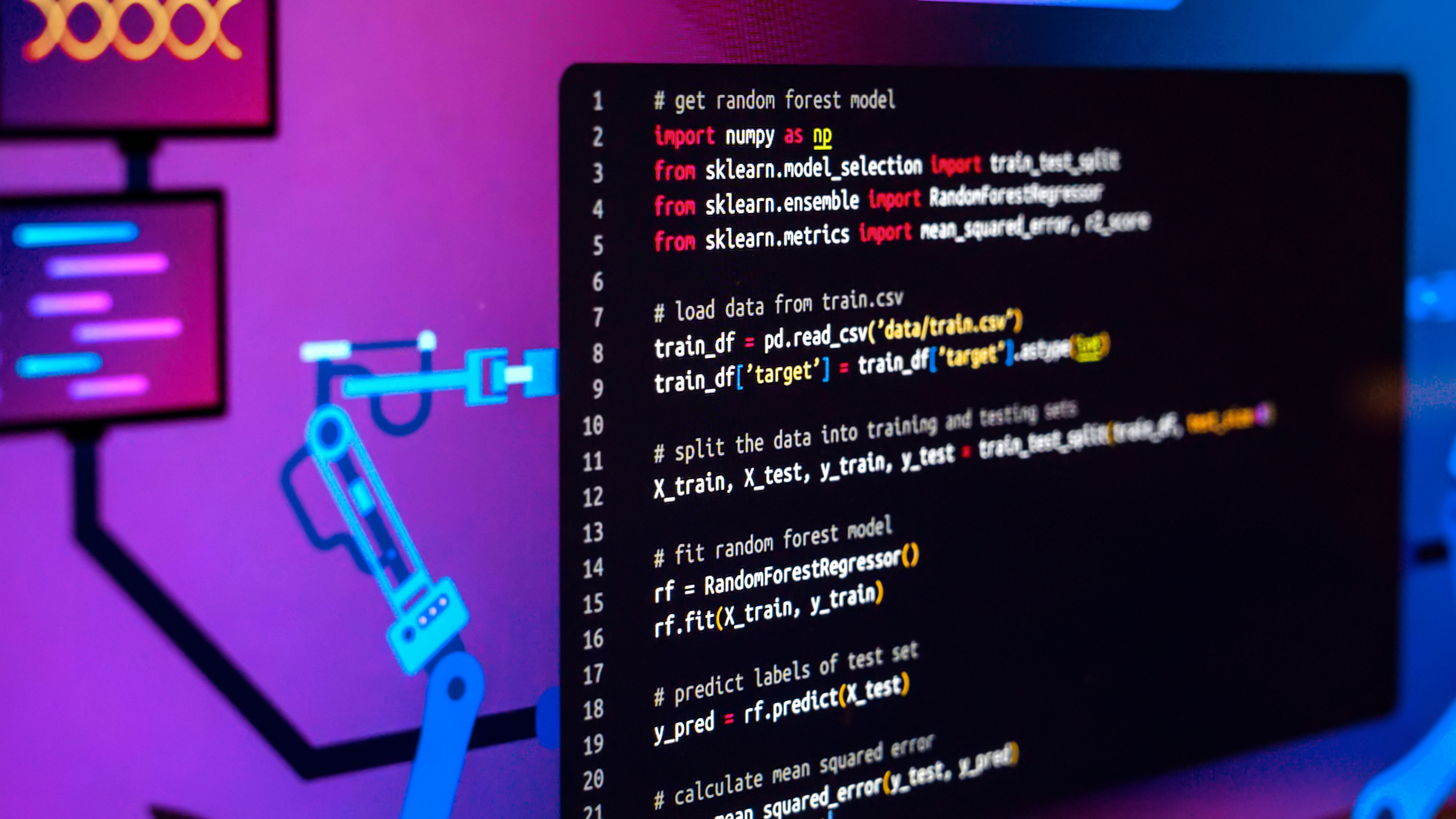
The Basic Electronics with Python (Raspberry Pi Pico) course introduces learners to fundamental electronics concepts combined with hands-on programming using Python. Participants will explore how electronic components work and how to control them using the Raspberry Pi Pico microcontroller. This course is designed for beginners with little or no background in electronics or programming and emphasizes practical learning through real-world experiments and projects.
What you'll get
Programme highlights.
Industry-led teaching
Live materials from practitioners working in the field today.
Hands-on exercises
You'll apply what you learn through structured workshops and case studies.
Mentor access
Personal contact with the instructor for questions and feedback.
UTE Certificate
A signed certificate of completion you can add to your CV.
Course outline
What we'll cover.
-
01
Introduction to Electronics and Embedded Systems
- • Overview of Basic Electronics
- • Introduction to Embedded Systems
- • Understanding the Raspberry Pi Pico
-
02
Fundamentals of Electronic Components
- • Resistors
- LEDs
- …
- • Breadboards and Circuit Connections
-
03
Getting Started with Python on Raspberry Pi Pico
- • Introduction to MicroPython
- • Setting Up the Development Environment
- • Writing and Uploading Your First Program
-
04
Digital Input and Output
- • Controlling LEDs with Python
- • Working with Push Buttons and Switches
- • Digital Signals and Logic Levels
-
05
Analog Input and Sensors
- • Understanding Analog Signals
- • Reading Sensor Data (Temperature
- Light
- etc.)
- • Interfacing Sensors with Python
-
06
Communication and Control
- • PWM (Pulse Width Modulation)
- • Controlling Motors and Buzzers
-
07
Mini Projects and Applications
- • Simple Automation Projects
- • Sensor-Based Monitoring Systems
- • Final Hands-On Project with Raspberry Pi Pico